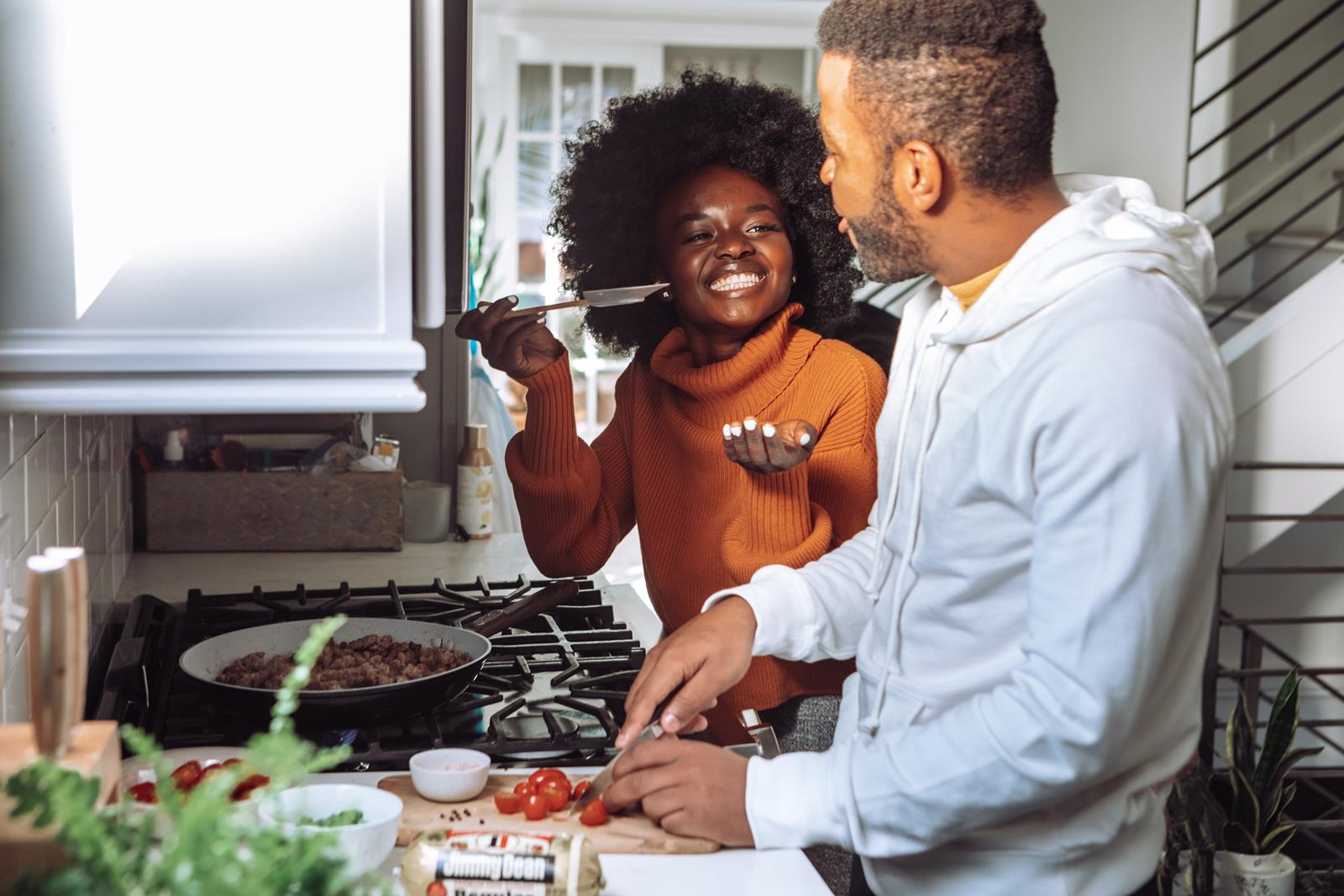
Dining out is not just about enjoying food; it is also about experiencing ambiance, service, and social interaction. One important aspect of this experience is understanding the appropriate dress code. Whether attending a fine dining restaurant or a more relaxed casual setting, dressing appropriately enhances both comfort and confidence. It also shows respect for the establishment and the occasion.
Dress codes can vary widely depending on the type of restaurant, location, and level of formality. While some venues require formal attire, others allow a more relaxed approach. Knowing how to adapt to these expectations ensures a smooth and enjoyable dining experience.
By understanding the differences between fine dining and casual dress codes, individuals can make better wardrobe choices. This knowledge helps create a polished appearance while ensuring comfort and suitability for any dining setting.
Understanding Fine Dining Dress Codes
Fine dining establishments often have specific dress codes that reflect their elegant atmosphere. These venues aim to create a refined experience, and attire plays a significant role in maintaining that environment.
Formal or semi-formal clothing is usually expected. Men may wear suits or dress shirts with trousers, while women may choose dresses, skirts, or tailored outfits. The focus is on clean, polished, and well-coordinated clothing.
Many individuals explore fine dining dress code guidelines for elegant restaurant experiences to better understand these expectations. Dressing appropriately ensures that guests feel confident and fit seamlessly into the setting.
What Defines Casual Dining Attire
Casual dining allows for a more relaxed approach to clothing while still maintaining a neat and presentable appearance. These settings prioritize comfort without completely abandoning style.
Typical casual attire includes well-fitted shirts, blouses, jeans, or casual trousers. Footwear should still be clean and appropriate, avoiding overly worn or unsuitable options.
While casual dining is more flexible, it is important to avoid clothing that is too informal, such as overly athletic wear or items that appear unkempt. Maintaining a balance between comfort and appearance ensures suitability.
Key Differences Between Fine and Casual Dress Codes
The main difference between fine dining and casual dress codes lies in the level of formality. Fine dining emphasizes elegance and sophistication, while casual dining focuses on comfort and simplicity.
In fine dining, attention to detail is crucial. Accessories, grooming, and overall presentation contribute to a polished look. Casual dining, on the other hand, allows for more personal expression and relaxed styling.
Understanding these differences helps individuals choose the right outfit for each occasion. This ensures that they feel comfortable while meeting the expectations of the venue.
Choosing the Right Outfit for Fine Dining
Selecting an outfit for fine dining requires careful consideration of style and appropriateness. Neutral colors and classic designs often work best, as they convey sophistication and timeless appeal.
Well-fitted clothing enhances appearance and ensures comfort throughout the meal. Avoiding overly flashy or distracting elements helps maintain a refined look.
Accessories should be simple and elegant, complementing the outfit without overpowering it. This approach creates a balanced and polished appearance suitable for upscale environments.
Styling Tips for Casual Dining
Casual dining provides an opportunity to experiment with style while maintaining a presentable look. Comfortable clothing that fits well and is clean and coordinated is ideal.
Layering can add depth to an outfit, such as pairing a casual shirt with a light jacket. This creates a stylish yet relaxed appearance.
Footwear should be practical and appropriate for the setting. Clean and comfortable shoes complete the overall look and ensure confidence throughout the experience.
Adapting to Restaurant Expectations
Different restaurants may have unique dress code requirements, even within the same category. It is always helpful to check guidelines before visiting a venue.
Observing the environment and the attire of other guests can also provide insight into what is appropriate. When unsure, choosing a slightly more polished outfit is usually a safe option.
For those exploring modern dining fashion tips for different restaurant settings, adaptability is key. Being prepared for various dress codes ensures a positive and comfortable experience.
Importance of Grooming and Presentation
Grooming plays an important role in both fine and casual dining settings. Clean and well-maintained appearance enhances overall presentation and complements clothing choices.
Simple grooming habits such as neat hair, clean shoes, and attention to detail contribute to a polished look. These elements reflect respect for the occasion and the venue.
Good presentation not only improves confidence but also enhances the overall dining experience. It ensures that individuals feel comfortable and appropriately dressed.
Balancing Comfort and Style
Achieving the right balance between comfort and style is essential when choosing dining attire. Clothing should allow ease of movement while still maintaining a polished appearance.
Selecting breathable fabrics and well-fitted designs ensures comfort during the meal. At the same time, maintaining a sense of style helps create a positive impression.
Balancing these elements allows individuals to enjoy the dining experience fully without feeling restricted or out of place.
Conclusion
Understanding fine dining and casual dress codes is essential for creating a positive and enjoyable dining experience. By recognizing the differences between formal and relaxed settings, individuals can choose outfits that align with expectations while maintaining comfort and style. From selecting appropriate clothing and accessories to paying attention to grooming and presentation, each detail contributes to a polished appearance. Adapting to different restaurant environments and balancing personal style with professionalism ensures confidence in any setting. Ultimately, dressing appropriately enhances not only personal confidence but also the overall enjoyment of the dining experience, making every occasion more memorable and satisfying.