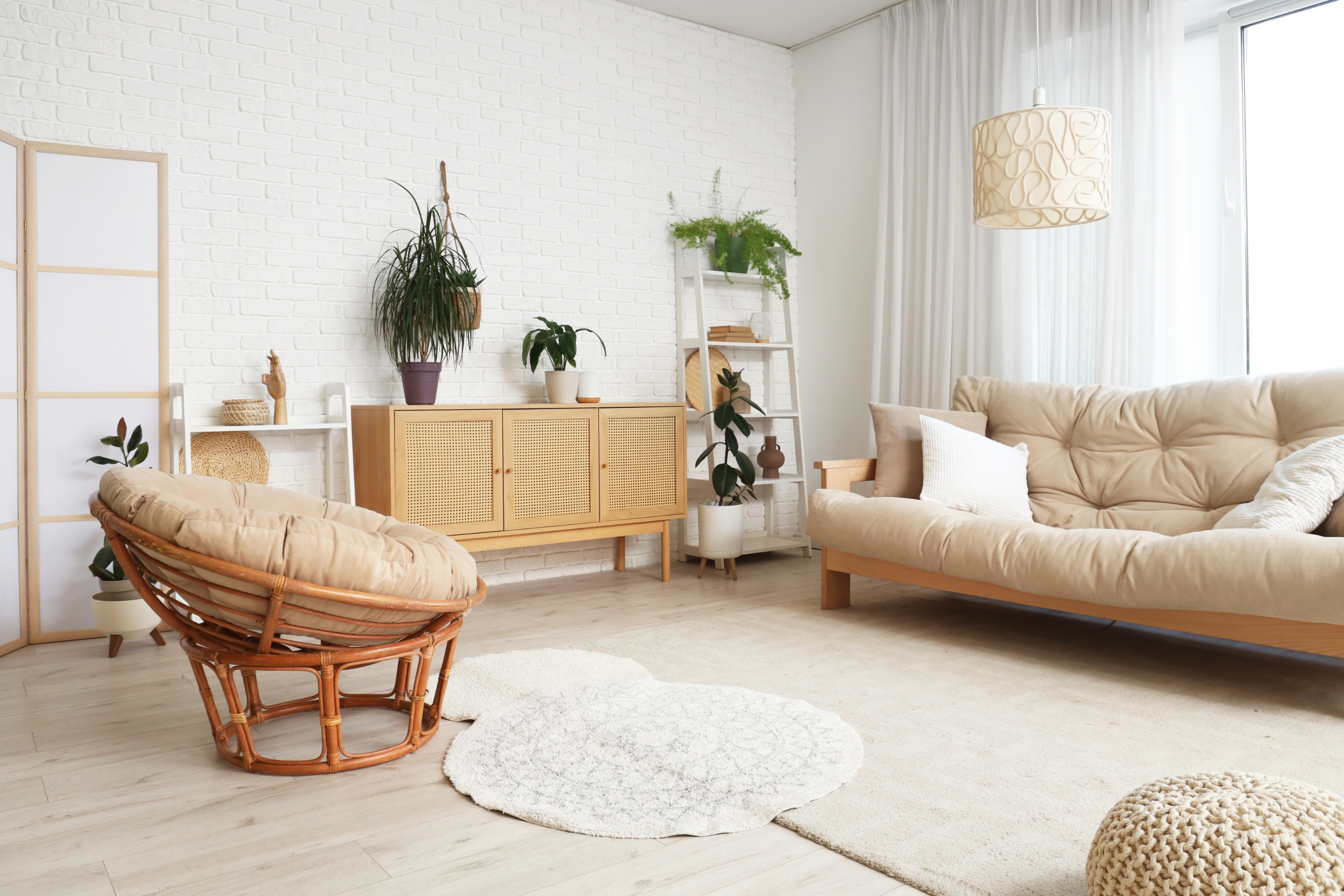
A summer house is a perfect retreat for relaxation, leisure, and enjoying warm weather. Whether located by the beach, in the countryside, or in your backyard, it offers a peaceful escape from daily routines. Decorating your summer house thoughtfully can enhance its charm and create a welcoming environment that reflects comfort and style.
Unlike regular homes, summer houses are often designed to feel light, airy, and refreshing. The goal is to create a space that promotes relaxation while making the most of natural light and seasonal elements. Choosing the right decor, colors, and furniture can transform your summer house into a cozy and inviting getaway.
Understanding how to decorate your summer house allows you to combine functionality with aesthetics. With the right approach, you can create a space that is both beautiful and practical for summer living.
Choosing a Light and Airy Color Palette
Color plays a major role in setting the tone of a summer house. Light and neutral shades such as white, beige, and soft pastels create a fresh and open atmosphere.
These colors reflect natural light, making the space feel brighter and more spacious. Adding subtle accents in soft blues or greens can enhance the relaxed and calming vibe.
Many homeowners explore summer house decor ideas to find color combinations that create a refreshing and inviting environment.
Selecting Comfortable and Functional Furniture
Furniture in a summer house should prioritize comfort and practicality. Lightweight and easy-to-move pieces are ideal, as they allow flexibility in arranging the space.
Materials such as wood, rattan, or wicker add a natural and relaxed feel. Cushioned seating and soft fabrics enhance comfort, making the space more enjoyable for lounging.
Choosing functional furniture ensures that the space remains both stylish and practical for everyday use.
Maximizing Natural Light and Ventilation
One of the key features of a summer house is its connection to the outdoors. Maximizing natural light helps create a bright and cheerful atmosphere.
Large windows, light curtains, and open layouts allow sunlight to fill the space. Proper ventilation is also important to keep the environment cool and comfortable.
Keeping the space open and uncluttered enhances airflow and makes the house feel more inviting.
Incorporating Natural Elements
Bringing elements of nature into your summer house adds warmth and character. Plants, flowers, and natural textures create a connection to the surrounding environment.
Decor items such as wooden accents, woven baskets, and stone features can enhance the natural aesthetic.
These elements contribute to a relaxed and organic feel, making the space more harmonious and visually appealing.
Adding Soft Textiles and Accessories
Textiles play an important role in creating a cozy and comfortable atmosphere. Lightweight fabrics such as cotton and linen are ideal for summer settings.
Throw pillows, rugs, and curtains in soft textures and patterns can add depth and style to the space.
For those exploring cozy home styling tips, incorporating textiles helps balance comfort with visual appeal.
Creating Outdoor and Indoor Harmony
A summer house often blends indoor and outdoor living. Designing spaces that connect seamlessly with the outdoors enhances the overall experience.
Outdoor seating areas, patios, or decks can extend the living space and provide additional areas for relaxation.
Using similar colors and materials both inside and outside creates a cohesive and unified look.
Personalizing the Space with Decor
Adding personal touches makes your summer house feel unique and welcoming. Decorative items such as artwork, photographs, or handmade pieces reflect your personality.
Simple and meaningful decor elements create a warm and inviting atmosphere without overwhelming the space.
Personalization ensures that the summer house feels like a true retreat tailored to your preferences.
Keeping the Space Minimal and Clutter-Free
A clean and uncluttered space enhances relaxation and comfort. Avoid overcrowding the area with too many decorative items or furniture pieces.
Minimalist design helps maintain an open and airy feel, which is ideal for a summer house.
Organized spaces are easier to maintain and contribute to a more peaceful environment.
Seasonal Updates and Maintenance
Refreshing your summer house decor periodically keeps it looking vibrant and inviting. Small updates such as changing cushions, adding new plants, or rearranging furniture can make a big difference.
Regular maintenance ensures that the space remains functional and comfortable throughout the season.
Keeping the decor updated helps maintain a fresh and appealing atmosphere.
Conclusion
Decorating your summer house is an opportunity to create a relaxing and stylish retreat that reflects the essence of the season. By choosing light colors, comfortable furniture, and natural elements, you can design a space that feels both inviting and refreshing. Incorporating textiles, personal touches, and a connection to the outdoors enhances the overall experience. Keeping the space minimal and well-maintained ensures long-term comfort and functionality. Ultimately, a thoughtfully decorated summer house becomes a perfect getaway where you can unwind, enjoy nature, and make lasting memories.